
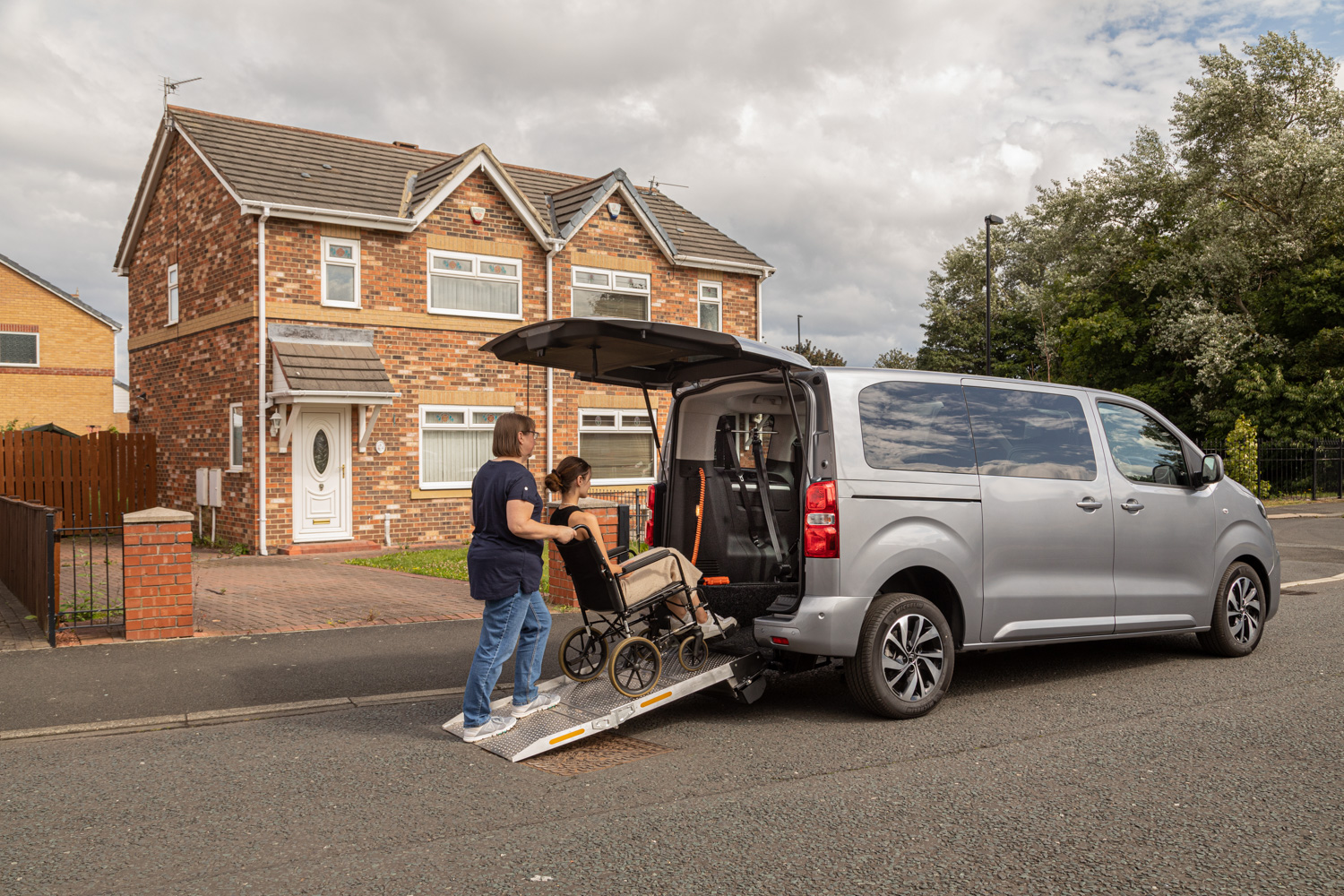
Taker Inc provides safe and reliable non-emergency medical transportation services with our fleet of wheelchair accessible vehicles.
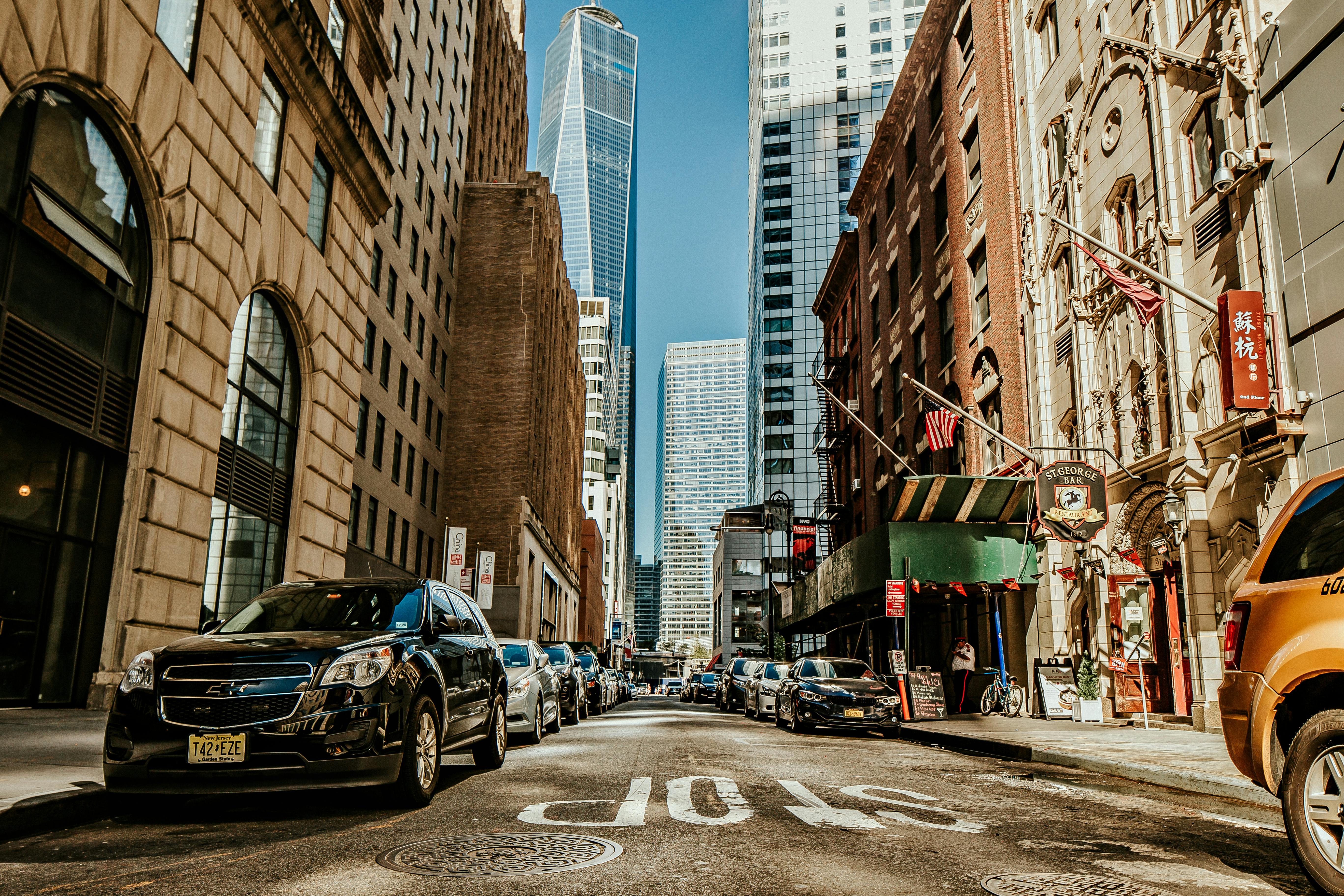
Our team of drivers is dedicated to providing exceptional service to our customers. They undergo rigorous training to ensure safe driving practices and compassionate care for passengers. Experience the difference with Taker Inc.

With Taker Inc, booking a ride is quick and easy. Book your vehicle in just a few clicks. We offer convenient payment options and flexible scheduling to meet your transportation needs.
High Population Density: New York City has a population of 8,804,190 as of April 1, 2020, making it one of the most densely populated cities in the United States.
Significant Growth: The population has increased by 629,057 since the 2010 Census, highlighting the city's growing demand for efficient and inclusive transportation options.
Limited Accessible Taxis: Out of the entire licensed fleet, there were only 4,297 wheelchair-accessible vehicles as of June 2023. This means that accessible taxis are a rare find and not always in service, making spontaneous travel difficult for disabled residents.
Inadequate Public Transportation: Only about 30% of the subway system is accessible, and even these accessible stations often face issues like broken elevators. Buses are slow, crowded, and unreliable, and paratransit services require advance scheduling and are inconsistent.
Vital for Autonomy: Accessible taxis provide crucial autonomy for disabled individuals, allowing them to travel spontaneously without depending on pre-scheduled services.
Equity and Inclusion: Promoting WAVs can help bridge the transportation gap, ensuring that disabled residents are prioritized and have equal access to the city's amenities and opportunities.
Inaccessibility in Alternative Transportation: Rideshare apps are not a viable solution for all, as they require smartphones, which not every New Yorker or visitor possesses. This further underscores the need for reliable, readily available WAVs.
Improved Quality of Life: Ensuring more WAVs are available will significantly enhance the quality of life for disabled individuals, providing them with the freedom to travel as needed.
Compliance with ADA: Increasing the number of WAVs aligns with the goals of the Americans with Disabilities Act, promoting greater accessibility and inclusivity in public transportation.
Economic Advantages: A more inclusive transportation system can boost the local economy by enabling more people to participate in the workforce, attend events, and engage in commerce.
"Enhancing accessibility in New York City's transportation system is not just a necessity—it's a right. With over 8.8 million residents, including a significant number of disabled individuals, it's crucial to provide reliable and accessible transportation options. Despite having 4,297 wheelchair-accessible vehicles in the licensed fleet, many disabled residents still struggle with spontaneous travel due to limited availability and service. By increasing the number of Wheelchair Accessible Vehicles, we can ensure that all New Yorkers have equal access to the city's vast opportunities and amenities. Let's make New York City a more inclusive and accessible place for everyone."